I applaud the Journal Star editorial board for continuing to
bring attention to the plight of our pollinating insects, and especially the
loss of prairie which has only been exacerbated with the decrease in CRP
funding associated with the most recent farm bill. We also need to stop mowing
our highway edges more than 1-2 times a year, and plant native pollinator
gardens at home, at businesses, and even on capitol grounds.
However, European honey bees are responsible for so much
commercial pollination because we’ve made that the case. It takes 60% of all
U.S. hives to pollinate just the almond crop in California, and the stress of
shipping them across the country surely exacerbates their troubles, as well as
the lack of diverse flower forage. This agricultural practice is a dangerous
monoculture that supports other dangerous monocultures, systems which diminish
diversity and a landscape’s health and resiliency. Yes, helping honey bees will
help so much more, especially if this means fewer lawns and more prairies, but
we have 4,000 native bee species, too.
These native bees are, collectively, over 90% efficient at
flower pollination whereas honey bees are only 70% efficient. Many native bees
have evolved very specific relationships with native plants – in some cases,
the absence of one leads to the absence of the other. The more bees of all
species we have pollinating, the higher the fruit yield, the better the
quality, and the longer the shelf life at grocery stores (I’m especially
thinking about produce like strawberries that require a diversity of
pollinators to set fruit).
The Xerces Society has recently begun a pilot program on
about 100 acres of almond groves in California, planting the edges with native
hedgerows and underplanting the trees in a meadow of wildlfowers – the goal is
to end the dependence on honey bees, reduce water consumption, and mitigate the
need to spray for pests. We should also look to the Prairie STRIPs program at
the Leopold Center for Sustainable Agriculture.
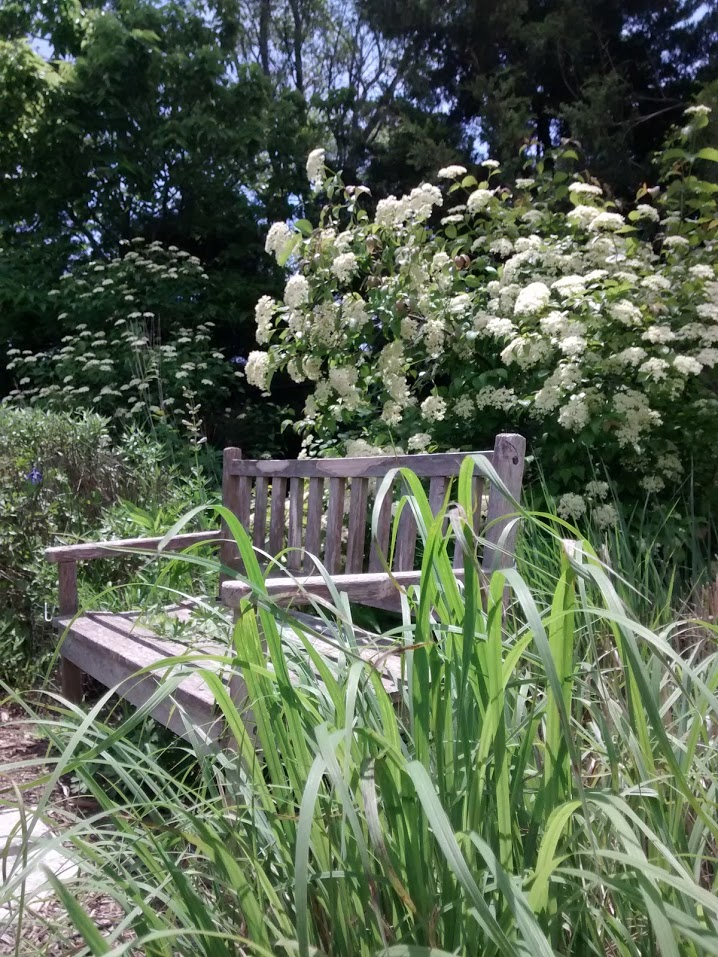
Here in Nebraska, and Lincoln specifically, I’d love to see
us become the prairie capitol of the nation: prairie along road edges following
the lead of New Mexico and Iowa, native plants in our garden beds and in the
new pedestrian mall downtown, and one side of the state building in designed prairie
gardens vs. a desert of lawn. Our lives, and the lives of other species, may
depend upon a new landscape aesthetic that incorporates both human concepts of beauty
and unseen ecological function that supports native bees, monarch butterflies,
and far more; what we need is a beauty that extends to species beyond our own.




.JPG)


